Exuma Lifestyle: 5 Facts Luxury Homebuyers Should Know
Exuma is not simply a destination
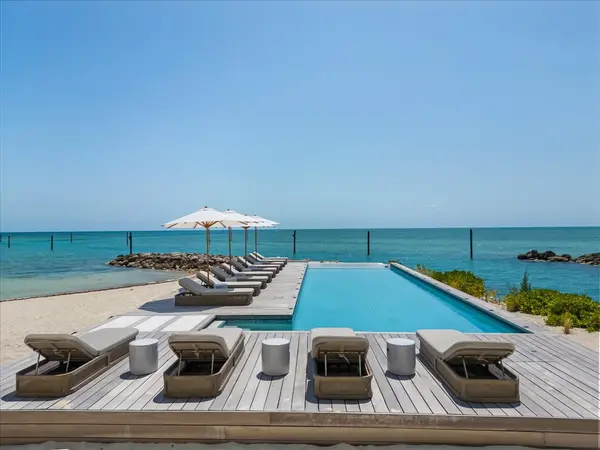
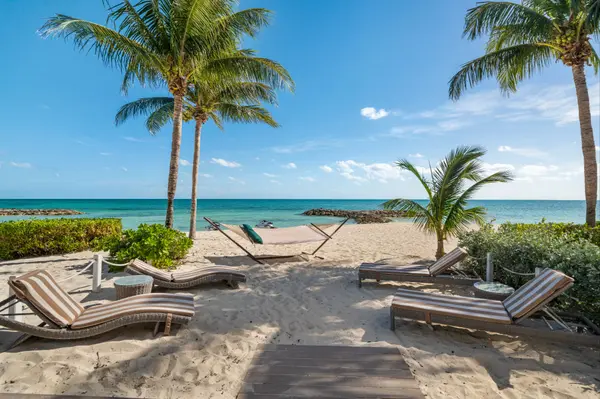
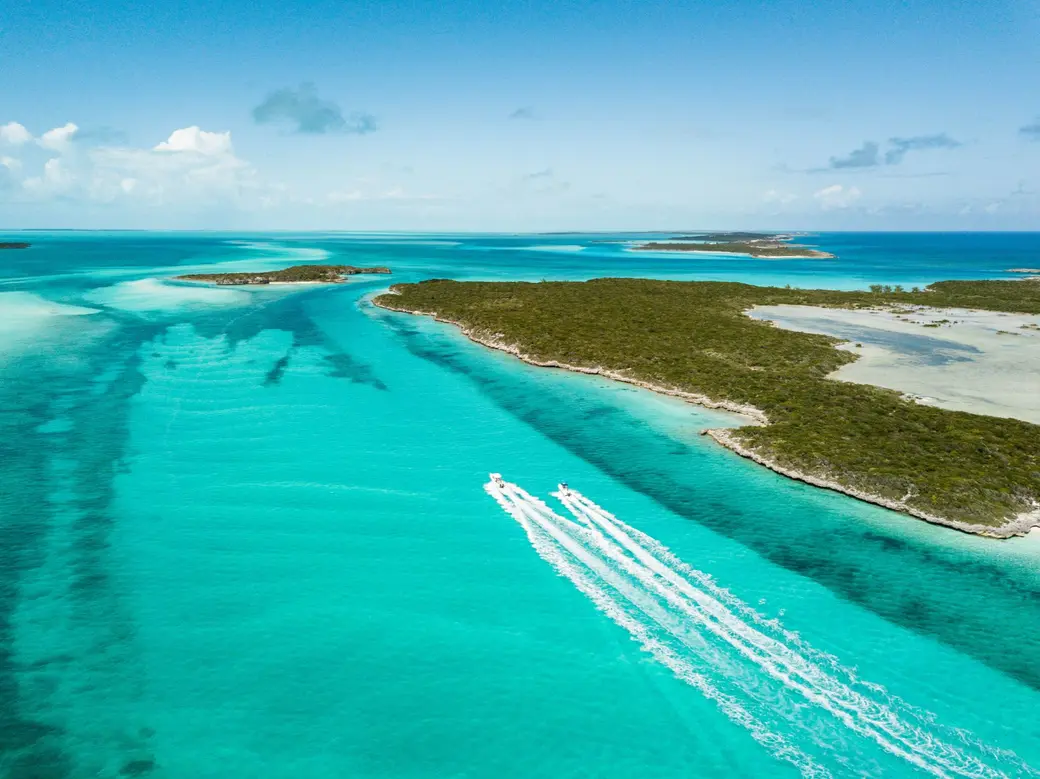
The first impression is usually the water: clear, luminous and seemingly endless. Yet the enduring appeal of the Exuma lifestyle lies in something deeper. It is found in protected anchorages, living marine habitats, communities shaped by history and a daily rhythm governed less by a clock than by the tide.
For discerning second-home buyers, these details matter. They explain why Exuma feels different from a conventional resort market—and why choosing a home here is as much about access, stewardship and sense of place as it is about architecture.
Here are five lesser-known stories that reveal what makes living in Exuma, The Bahamas, so distinctive.
1. Exuma helped pioneer modern marine conservation
Created in 1958, the Exuma Cays Land & Sea Park was the first marine reserve in The Bahamas and the wider Caribbean. The Bahamas National Trust also describes it as the first park of its kind in the world—a landmark conservation model established before marine protected areas became widely understood.
The park protects 112,640 acres of land and sea, encompassing coral reefs, mangroves, seagrass beds, secluded beaches and safe anchorages. It is also a strict no-take area: fishing and the removal of natural resources are prohibited. For boat owners, this means some of the archipelago’s most beautiful cruising grounds are also among its most carefully protected.
The relevance to homeowners is immediate. Exuma’s natural capital is not a decorative backdrop; it is central to the quality of life and the long-term desirability of the islands. Responsible boating, appropriate anchoring and respect for park rules are part of enjoying the privilege of these waters.
2. Moriah Harbour is a living nursery, not merely a beautiful view
Between Great Exuma and Little Exuma, Moriah Harbour Cay National Park protects a rich mosaic of beaches, dunes, blue holes, coral reefs, mangrove creeks and seagrass meadows. These connected habitats support conch, lobster, grouper, turtles, sharks, birds and endangered corals.
To the casual observer, mangroves and seagrass may appear less dramatic than a white-sand beach. Ecologically, however, they are essential. They shelter young marine life, stabilise shorelines and help sustain the broader ecosystem that makes fishing, snorkelling and boating in Exuma so rewarding.
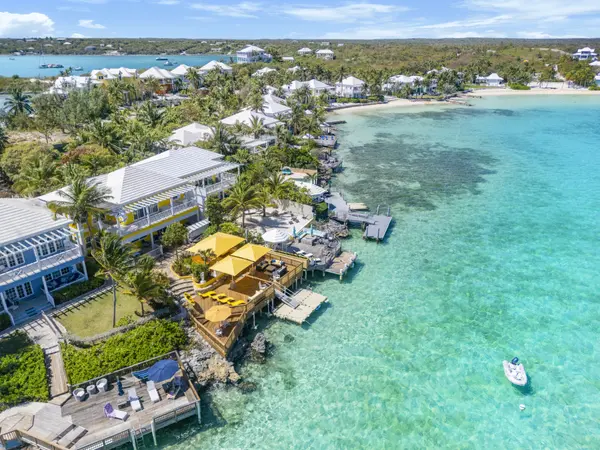
For buyers considering waterfront homes in Exuma, the lesson is practical: the most valuable view may also be a sensitive habitat. Due diligence should extend beyond the residence itself to shoreline conditions, water depth, dock configuration, permitting considerations and the environmental character of the surrounding area.
3. Rolle Town carries an uncommon land legacy
Rolle Town on Great Exuma is one of five Lord John Rolle Commonage Estates. According to the official Islands of The Bahamas website, Lord Rolle left these lands to formerly enslaved people and their descendants. Because commonage land is governed differently from conventional privately owned property, it cannot be bought and sold in the same way.
This history remains highly relevant to anyone considering buying property in Exuma. Land here can carry important legal, family and cultural considerations. International buyers should therefore work with experienced Bahamian legal counsel, conduct a thorough title review, and confirm the ownership structure, boundaries and rights attached to any Exuma property before proceeding.
Luxury real estate in Exuma is about more than a beautiful setting. Understanding the history of the settlements surrounding a property helps owners connect with the island as a living community—not simply enjoy it as a backdrop.
4. Pompey’s story began in Exuma
The Pompey Museum of Slavery & Emancipation in Nassau takes its name from Pompey, an enslaved man who lived on the Rolle Plantation at Steventon, Exuma. He is remembered for resisting an attempt to relocate enslaved people from Exuma, and his story became part of the country’s wider narrative of resistance and emancipation.
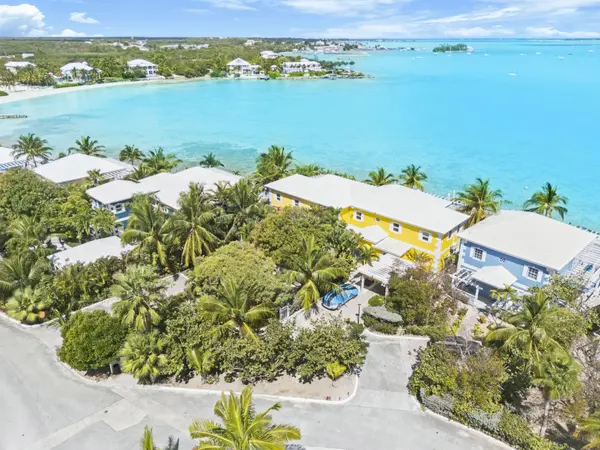
This connection gives Exuma a place in Bahamian history far beyond tourism. Exploring the island thoughtfully—from its settlements and historic sites to conversations with local guides—adds context that cannot be captured in an aerial photograph.
For families establishing a second home, this deeper cultural understanding often becomes part of the experience they pass to the next generation: not only where they spent time, but what they learned about the place.
5. Exuma’s protected waters take more than one form
Exuma’s conservation landscape includes two Bahamas National Trust national parks—the Exuma Cays Land & Sea Park and Moriah Harbour Cay National Park—as well as the separately designated Exuma (Jewfish Cay) Marine Reserve. The legal order establishing the marine reserve prohibits fishing or removing fishery resources without written ministerial permission for specified educational, research or scientific purposes.
Together, these designations illustrate a defining feature of the Exuma lifestyle: exceptional access to the sea exists alongside rules designed to preserve it. Owners who understand where protected areas begin, what activities are permitted and how to use moorings or anchor responsibly are better positioned to enjoy the islands without diminishing them.
What this means for you
A luxury property in Exuma should be evaluated not only by its bedrooms, finishes or frontage, but by how naturally it supports your desired lifestyle experience.
- Boating access: Consider dock specifications, water depth, exposure, nearby cuts and the practical route to your preferred cruising grounds.
- Privacy with connectivity: Assess the balance between seclusion and access to George Town, Exuma International Airport, provisioning, restaurants and essential services.
- Resilience and self-sufficiency: Review backup power, water storage, communications, storm protection and ongoing property management.
- Environmental context: Understand adjacent wetlands, seagrass, reefs, protected areas and any implications for docks, shoreline works or future improvements.
- Local expertise: Use qualified Bahamian legal, surveying, planning and property professionals for property-specific advice and verification.
A lifestyle shaped by the sea—and by respect for it
Exuma rewards curiosity. Its beauty is awe-inspiring, but its true character reveals itself slowly: in a protected creek at low tide, the history of a settlement, the etiquette of an anchorage and the freedom to leave home by boat in search of an empty beach.
For buyers seeking luxury real estate in Exuma, the right property is the one that brings those experiences within easy reach while respecting the environment and community that make them possible.
The Jupp Team advises international buyers and sellers across Exuma and the wider Bahamas, combining local market knowledge with discreet, property-specific guidance. To discuss waterfront homes, boating-led properties or a private Exuma acquisition, contact us for a confidential conversation.
Sources and further reading
- Bahamas National Trust: Exuma Cays Land & Sea Park
- Bahamas National Trust: How We Began
- Bahamas National Trust: Moriah Harbour Cay National Park
- The Islands of The Bahamas: Rolle Town
- The Islands of The Bahamas: Pompey Museum of Slavery & Emancipation
- Government of The Bahamas: Exuma (Jewfish Cay) Marine Reserve Order
Editorial note: Property, title, planning, environmental and maritime matters should be verified for each acquisition with the appropriate qualified Bahamian professionals.
Categories
Recent Posts